
How Can HR Stop Workplace Conflict from Escalating?

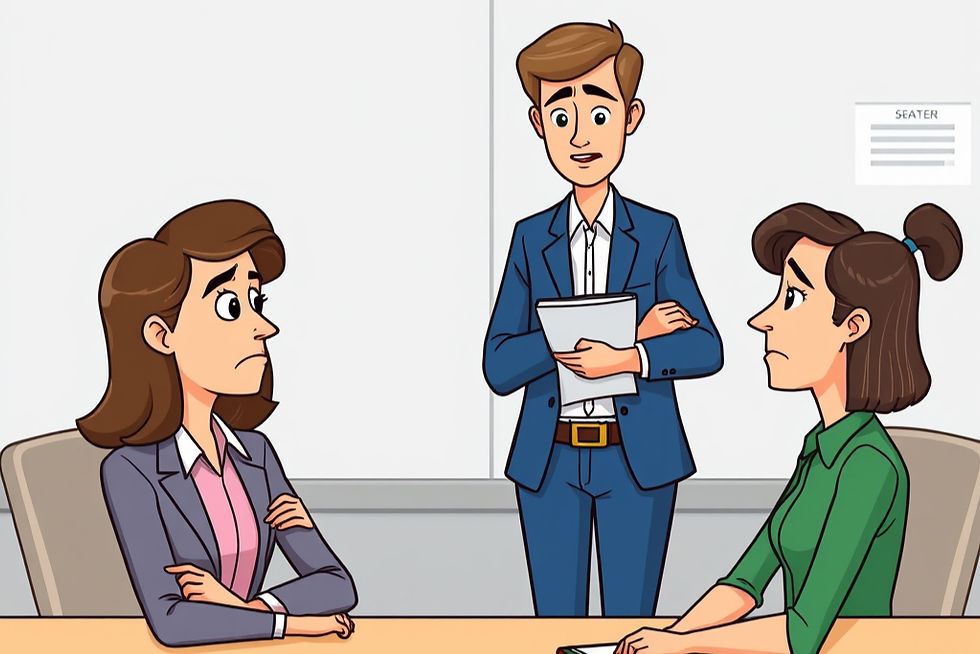
Workplace conflict rarely appears overnight.
It usually builds through small moments: a difficult email, a tense meeting, a missed conversation, a manager avoiding feedback, or two colleagues slowly losing trust in each other.
By the time someone raises a formal grievance, the conflict may already be deeply entrenched.
For HR teams, the challenge is knowing when to step in early and how to do so without overreacting, taking sides or ignoring something serious.
A common situation
Imagine this.
Two members of a team are no longer speaking directly. They copy managers into emails, avoid meetings together, and complain separately about each other’s behaviour. The manager is frustrated and wants HR to “sort it out”. One employee says they are considering a grievance. The other says they feel attacked.
Nothing formal has happened yet, but the situation is clearly escalating.
This is where early HR intervention can make a significant difference.
Step 1: Understand what type of conflict it is
Before deciding what to do, HR should identify the nature of the issue.
Is it:
a communication breakdown;
a personality clash;
a workload dispute;
a management issue;
a performance concern;
a complaint about bullying;
a discrimination or harassment concern;
or a formal grievance waiting to happen?
This distinction matters.
A relationship breakdown may be suitable for facilitated conversation or mediation. A bullying or discrimination complaint may need careful assessment and possibly formal investigation.
Early resolution should never mean treating serious complaints casually.
Step 2: Speak to the people involved separately
It is often useful to speak to each person separately before deciding the route.
The aim is to understand:
what each person says has happened;
how long the issue has been going on;
what impact it is having;
whether they feel safe;
what outcome they want;
whether they are open to informal resolution;
and whether formal process may be needed.
These conversations should be handled carefully. HR should avoid making early judgments or promising outcomes before the facts are understood.
Step 3: Decide whether informal resolution is suitable
Informal resolution may be appropriate where:
the issue is at an early stage;
the parties need to keep working together;
there is no serious allegation requiring investigation;
both people are willing to engage;
the issue is mainly about communication or trust;
or a practical agreement could improve the situation.
Informal resolution might include manager support, a facilitated conversation, conflict coaching, agreed communication rules, or workplace mediation.
However, if there are serious allegations, safeguarding concerns, discrimination, harassment, victimisation or repeated bullying, HR may need to follow a formal process.
Step 4: Do not confuse “informal” with “unstructured”
Informal resolution still needs structure.
HR should be clear about:
what process is being offered;
who will be involved;
whether participation is voluntary;
what confidentiality means;
what will and will not be recorded;
how outcomes will be followed up;
and what happens if the issue does not resolve.
This helps employees trust the process.
An informal approach that is vague or poorly managed can make conflict worse. People may feel dismissed, exposed, or pressured to move on before the issue has been properly addressed.
Step 5: Consider mediation at the right point
Workplace mediation can be very useful where conflict is relational and both people are willing to take part.
It may help where:
two colleagues are not communicating;
an employee-manager relationship has broken down;
a grievance has been avoided but tension remains;
a team is affected by conflict;
people need to agree future behaviours;
or the formal process has ended but relationships are still strained.
Mediation gives people a structured space to explain what has happened, hear the impact, and agree practical ways of working together.
It is not a substitute for investigation where investigation is needed. It should also not be used to pressure someone into withdrawing a complaint.
Step 6: Support managers to act earlier
Many workplace conflicts escalate because managers wait too long.
They may hope the issue will settle, feel uncomfortable having difficult conversations, or worry about saying the wrong thing. By the time HR becomes involved, the issue may have hardened.
HR can help managers by giving them practical tools:
how to spot early signs of conflict;
how to hold a private conversation;
how to keep notes;
how to avoid taking sides;
how to refer to HR;
and when to suggest mediation.
Early management action can prevent many issues becoming formal grievances.
Step 7: Know when escalation is the right thing to do
Early resolution is valuable, but it is not always enough.
HR should consider formal escalation where:
there is a serious complaint;
the facts need investigation;
there is a risk to health, safety or wellbeing;
the matter involves discrimination or harassment;
one person feels unsafe;
informal steps have failed;
or the organisation needs to make a formal decision.
Escalation is not a failure. Sometimes it is the fair and necessary route.
Final thought
HR teams have an important role in stopping workplace conflict from escalating, but early intervention needs judgment.
Some situations need a careful conversation, conflict coaching or mediation. Others need formal investigation, legal advice or a grievance process.
The key is to identify the nature of the conflict early, choose the right route, and avoid treating every issue in the same way.
The Mediation Agency supports HR teams, managers and organisations with workplace mediation, conflict coaching and early resolution services. Where workplace conflict is beginning to escalate, independent support can help identify whether mediation or another route is appropriate. If you need help, a confidential conversation may help.


Comments